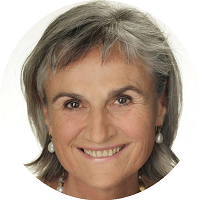
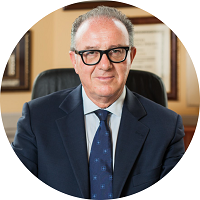
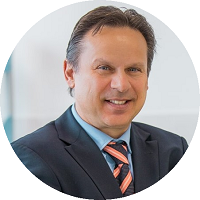
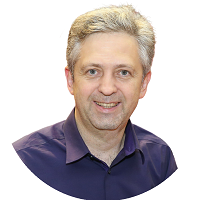
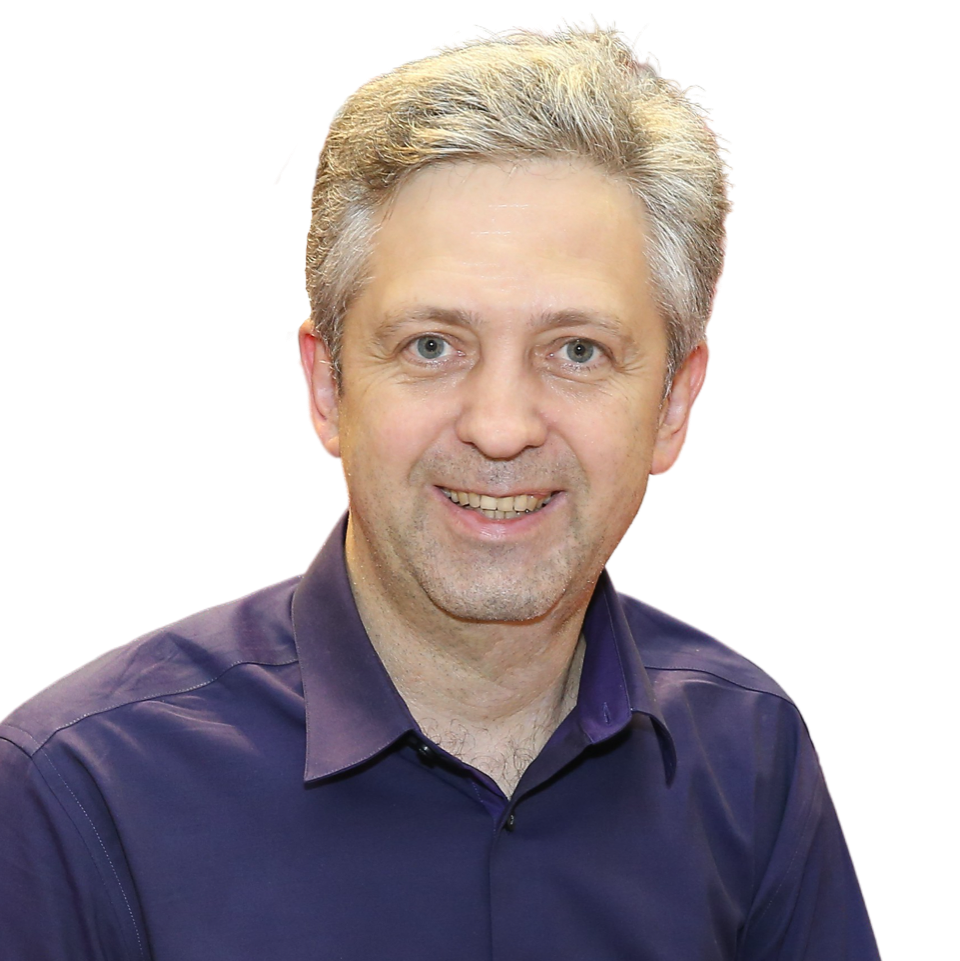
Prof. Dr. Davinder Parsad

Prof. Dr. Davinder Parsad

Prof. Dr. Davinder Parsad

Prof. Dr. Davinder Parshad
Institute of Medical Education & Research, Chandigarh, India

Scurt CV

Main area of research is vitiligo– pathogenesis and treatment and innovative surgical methods.
Total of 295 publications and about 140 publications on vitiligo only in International journals with very high citation index.
President –Asian Society for Pigment Cell Research (2011-2014).
Coordinator of Asian region for World Vitiligo consensus group.
Member: European Task force on vitiligo.
Member Scientific Advisory Board: Vitiligo Research Foundation (USA).
Council member of International Federation of Pigment Cell Societies.
Chaired/co-chaired, presented invited/guest lectures, papers on vitiligo at more than 200 International conferences/meetings.
Received Ambady oration of Indian Association of Dermatologists, Venereologists & Leprologists (2006).
Associate Editor: Archives of Dermatology Research and Dermatologic Therapy.
Member Editorial Board: International Journal of Dermatology.

Contactează operatorul PDI 2023

11 + 6 =

Operatorul PDI 2023

Adresa: Str. A. Panu nr. 13, Iasi
Tel.: 0332.40.88.00-05
E-mail: contact@pdi.ro
Website: www.eventernet.ro

Prof. Dr. Popescu Iulia

Prof. Dr. Popescu Iulia

Prof. Dr. Popescu Iulia

Prof. Univ. Dr. Iulia Popescu
Allergy and Critical Care Division, Department Medicine, University of Pittsburgh, Pittsburgh, PA

T cell dysfunction in lung transplant COVID-19 patients

Author: Iulia Popescu

Rationale: Lymphopenia is common in severe COVID-19 disease, yet the immune mechanisms are incompletely understood. We recently demonstrated a role for TNF-a in T-cell dysfunction in severe COVID-19 disease. As inflammatory cytokines are increased in severe SARS-CoV-2 infection, we hypothesized T-cell dysfunction with acute COVID-19 disease in lung transplant recipients (LTRs) who are maintained on immunosuppression.
Objectives: We sought to characterize the functional SARS-CoV-2 T-cell responses in LTRs with COVID-19 to determine the differences between acute infection and the recovery phase (1-6 months post-infection) and whether LTRs establish SARS-CoV-2-specific T-cell memory.
Methods: Using flow cytometry analyses we assessed SARS-CoV-2-specific responses in our LTR cohort, measuring T cell phenotype and the functional responses to COVID-19 immunodominant Spike-1 antigen (S1), including proliferation capacity and cytokine production in acute and recovered samples.
Measurements/Main Results: In the COVID-19 LTRs we found CD4+ lymphopenia predominated in moderate/severe disease in acute viral samples, with lower CD4+/CD8+ ratios (p=0.0002) and absolute lymphocyte counts (ALC) (p=0.041) compared to the recovery phase 1-6 months post-infection. The CD8+ T cell phenotype of acute moderate/severe COVID-19 LTRs compared with the primary acute viral infection was significantly increased for surface expression of CD95+ (Fas) (p=0.0002), CD38+ (p=0.005) and the senescent marker, CD57+ (p=0.0007), with these activation markers decreasing post-infection. Unexpectedly, CD8+PD1+ (p=0.0002) was significantly upregulated post-infection compared with acute primary infection disease. Similar phenotypic findings were observed in CD4+ T cells. During acute SARS-Cov-2 disease, both CD8+ and CD4+ IFNg+, TNF-a+ and CD107+ T-cell frequencies in response to S1 were significantly increased, with a contraction into the memory phase. The exception was CD4+ IL-2 production which was significantly increased in the memory phase compared with the acute infection. CD4+TNF-a+ T-cell responses were dominant and inversely correlated with absolute CD4+ counts from acute COVID-19 LTR cohort. During acute infection, LTRs demonstrated impaired S1-specific T cell proliferation (CD4+>CD8+) at 6 days, along with increased susceptibility to activation-induced cell death (AICD) following S1 antigen exposure. The impaired S1-specific proliferation in LTRs from acute infection could be rescued using the anti-TNFa agent, infliximab, or exogenous IL-2. Post-infection, the majority of LTRs demonstrated robust S1-specific CD4+ T-cell proliferation and significantly decreased susceptibility to AICD following S1 exposure. However, the addition of autologous acute plasma, but not recovery phase plasma, strikingly impaired S1-specific memory T-cell proliferation and induced S1-specific AICD in recovery T- cells from LTRs COVID-19 patients. Proliferative responses could only be partially restored with anti-TNFa suggesting other mechanism(s) of TNFa-independent suppression. Current experiments are focused on defining whether viremia itself plays a role in suppressing T-cell responses. Conclusion: Together, our findings show CD4+ dysfunction in LTRs with acute COVID-19 mediated, in part, by TNF-a. Interestingly, despite immunosuppression, LTRs establish robust SAR-Co-V2-specific T-cell memory after acute infection. Our data suggests other mechanism(s) that contribute to T-cell dysfunction during acute COVID-19 that remain to be elucidated.

Short CV

I am a Associate Professor in the Division of Pulmonary, Allergy, and Critical Care Medicine at the University of Pittsburgh in Dr. John McDyer’s laboratory. I have significant experience in transplant and viral immunology. My work has focused on T cell mechanisms of rejection, tolerance, and host immunity to viruses such as CMV, EBV and HIV, including the measurement of lung mucosal responses. I have focused on CMV-specific T cell immunity in lung transplant recipients in a leading clinical transplant program. I am CO-I on a U01 award (AI125050-Dr. McDyer) to perform a novel clinical trial to perform tandem lung and bone marrow transplantation in select individuals with primary immunodeficiencies and end-stage lung disease, and to perform mechanistic pathogen-specific and alloimmune tolerance studies in these study participants. In U01AI125050 I measure systemic and lung pathogen-specific immune responses. As immunologist my focuses are on mechanisms of CMV-specific lung mucosal/systemic immunity and viral control, demonstrating an important role for the Type-1 transcription factor T-bet and other immune parameters. I also study immune mechanisms of allograft rejection/tolerance in lung transplantation with an established divisional research group performing studies in the human studies. I also perform work on Dr. McDyer and Dr. Kirks’ collaborative U01 award (HL121814) to study immune mechanisms of HIV-associated COPD. I am the Co-I on an R01 award HL133184-01 (Dr. McDyer), “Role of F-box Proteins in Lung Transplantation.” In addition, common to these experimental systems above, Dr. McDyer’s laboratory is highly proficient in measuring lung mucosal and systemic viral-specific and allospecific multifunctional T cell immunity and phenotyping in lung transplant recipients. I have a good track record of training medical students and fellows and junior faculty in Dr. McDyer’s lab. the field of lung transplant immunology. Pertinent to this proposal I also have significant experience assessing human alloimmunity, using flow cytometry, in addition to viral immunity, and evaluate the phenotype of T cells, proliferation and effector multifunction. In addition, I am very experienced in ELISA and ELISPOT assays to measure inflammatory responses. Recently, we showed that IPF lung transplant recipients with short telomeres have impaired CMV T cell immunity. Here at Pitt, Dr. Alder, Dr. Snyder, Dr. Chen, Dr. Iasella and Dr. Popescu have a track record of working closely together. Therefore, based on my established and current role in Dr. McDyer’s laboratory and my expertise in transplant immunology in the field of lung transplantation makes me well-suited to fulfill my role as Co-I on this project R01 project, “The Role of Telomeres in Lung Transplant Recipient Immunity and Outcomes”.

Positions and Employment
2020-pres. Research Associate Professor, Pulmonary, Allergy and Critical Care Division, Department Medicine, University of Pittsburgh, Pittsburgh, PA
2014-2020 Research Assistant Professor, Pulmonary, Allergy and Critical Care Division, Department Medicine, University of Pittsburgh, Pittsburgh, PA
2019-pres. Member – International Society of Heart and Lung Transplantation
2012-2014 Research Associate/Manager Flow Cytometry Core, Pulmonary, Allergy and Critical Care Division, Department Medicine, University of Pittsburgh, Pittsburgh, PA
2010-2011 Senior Scientist/Technical Application Specialist, Cellular Technology Limited, Shaker Heights, OH
2006-2010 Faculty Research Instructor, Dept of Surgery Thomas E. Starzl Transplantation Institute, University of Pittsburgh, Pittsburgh, PA
2006-pres. Member – American Society of Transplantation (AST)
2007-pres. Member – American Immunology Association (AIA)
2001-2006 Postdoctoral Research Associate, Dept of Surgery Thomas E. Starzl Transplantation Institute, University of Pittsburgh, Pittsburgh, PA
2000-2001 Research Scientist, Dept. of Cellular Immunology and Signal Transduction, Center of Immunology, Institute of Virology Bucharest, Romania
1997- 2000 Junior Research Scientist, Department Clinical Immunology, Center for Immunology, Bucharest, Romania
1998-pres. Member – European Association for Cancer Research (EACR)
1997 3 months Visiting Research PhD, Doctoral Scientist, Cancer Institute, University of Pittsburgh, Pittsburgh, PA.
1994-1997 Research Associate – Dept. of Cellular Immunology and Signal Transduction, Center of Immunology, Institute of Virology, Bucharest, Romania
1991-1994 Resident Scientist- Department Clinical Immunology, Center for Immunology, Bucharest, Romania
1986-1991 Research Assistant, Department of Interferon Research / Immune-modulators, V. Babes Institute, Bucharest, Romania
1990-pres. Member – Federation of European Biochemical Societies (FEBS)
1986-pres. Member – Romanian Society of Immunology (SNI)
Memberships
Member – American Society of Transplantation (AST) 2006-present
Member – American Immunology Association (AIA) 2007-present
Member – European Association for Cancer Research (EACR) 1998-present
Member – Federation of European Biochemical Societies (FEBS) 1990-present
Member – Romanian Society of Immunology (SNI) 1986-present
Member – International Society of Heart and Lung Transplantation 2019-present

Contactează operatorul PDI 2023

12 + 9 =

Operatorul PDI 2023

Adresa: Str. A. Panu nr. 13, Iasi
Tel.: 0332.40.88.00-05
E-mail: contact@pdi.ro
Website: www.eventernet.ro

Prof. Dr. Katharina Russe Wilflingseder

Prof. Dr. Katharina Russe Wilflingseder

Prof. Dr. Katharina Russe Wilflingseder

Prof. Dr. Katharina Russe Wilflingseder
Rekonstruktive Chirurgie Ordination und Laserzentrum Innsbruck, Austria

Contactează operatorul PDI 2023

5 + 12 =

Operatorul PDI 2023

Adresa: Str. A. Panu nr. 13, Iasi
Tel.: 0332.40.88.00-05
E-mail: contact@pdi.ro
Website: www.eventernet.ro

Prof. Dr. Torello Lotti

Prof. Dr. Torello Lotti

Prof. Dr. Torello Lotti

Prof. Dr. Torello Lotti
University of Studies Guglielmo Marconi, Roma, Italia

Cytokines – emergent role in the psychocutaneous disorders

Autor: Torello Lotti  
University of Rome “Guglielmo Marconi”, Rome, Italy 
President World Health Academy of Dermatology

Cytokines are small secreted proteins released by cells have a specific effect on the interactions and communications between cells. Cytokine is a general name; other names include lymphokine (cytokines made by lymphocytes), monokine (cytokines made by monocytes), chemokine (cytokines with chemotactic activities), and interleukin (cytokines made by one leukocyte and acting on other leukocytes). Cytokines may act on the cells that secrete them (autocrine action), on nearby cells (paracrine action), or in some instances on distant cells (endocrine action). There are both pro- inflammatory cytokines and anti-inflammatory cytokines. There is significant evidence showing that certain cytokines/chemokines are involved in not only the initiation but also the persistence of pathologic pain by directly activating nociceptive sensory neurons. Certain inflammatory cytokines are also involved in nerve-injury/inflammation-induced central sensitization, and are related to the development of contralateral hyperalgesia/allodynia. The discussion presented in this chapter describes several key pro-inflammatory cytokines/chemokines and anti-inflammatory cytokines, their relation with pathological pain in animals and human patients, and possible underlying mechanisms.

Microbiota/Microbiome – the New Protagonist of Psycho-Neuro- Endocrine Immune-Mediated Disorders

Torello Lotti
University of Rome “Guglielmo Marconi”, Rome, Italy
President World Health Academy of Dermatology

The P.N.E.I. (Psycho-Neuro-Endocrine-Immunology) approach is represented by the interdisciplinary concept of bidirectional cross-talk between the psycho-neuro-endocrine and immune systems, which can influence the immune response. The well-known Gut-Brain Axis and the Gut-Skin Axis can be merged in a bigger network- the Gut-Brain-Skin Axis, with complex regulation by cytokines, neuro- peptides, neuro-hormones and another messenger (signalling) molecules and maybe the most important modulator of the Gut-Brain-Skin Axis/ the gut microbiota.
The role of gut bacterial homeostasis is very important, and the homeostatic imbalance of the immune response may be a relevant etiologic/pathophysiologic factor for extra-intestinal and intestinal inflammatory, allergic and autoimmune diseases. The Low Dose Cytokines Medicine (LDM) is an innovative therapeutic approach. It is based on the most advanced knowledge in molecular biology and low dose pharmacology with the primary outcome. The SKA (Sequential Kinetic Activation) technology, codified and standardised by GUNA S.p.a. -Italy- makes the low doses of signalling molecules able to be active even below the minimum dose classically considered as effective and the significative efficacy of orally administered low-dose signalling molecules is the most representative aspect of LDM. The Physiologic Nutraceuticals and the Low Dose Medicine are two of the most promising approaches for the treatment of skin diseases based on the rebalance of the immune response and the recovery of gut dysbiosis.

Scurt CV

Prof. Lotti is Full Professor and Chairman of Dermatology and Venereology at University of Rome Guglielmo Marconi, Rome, Italy. He is President of the World Health Academy, Dermatology since 2013. Director, Centro Studi per la Ricerca Multidisciplinare Rigenerativa (CSRMR), of the University of Rome “G.Marconi”, Rome, Italy, since 2015.
He is Honorary Professor of Dermatology – China Medical University Shenyang (2011), Lecturer at the New York Academy of Sciences “Howard Fox Memorial Lecture” (14 March 2012 – New York, NY – USA), and Chair, Executive Scientific Committee Vitiligo Research Foundation, New York, NY USA. He has been Full Professor of the Dermatology and Venereology Division at University of Florence School of Medicine, Florence, Italy, from 2006 to 2010. He is Visiting Professor in six International Universities worldwide, and Key Note Lecturer in several international dermatology Societies.
His activities in serving Dermatology have been numerous: President of the Italian Society of Dermatology and Venereology (SIDeMaST , 2009-2011) and President of the International Society of Dermatology ( ISD, 2009-2011), President of the European Society for Cosmetic and Aesthetic Dermatology (2003-2004), Editor in Chief of the Journal of the European Academy of Dermatology and Venereology (1992-2002), Editor “Therapeutic Hotline”- Dermatologic Therapy (2007-) and served as Editor in Chief of the Giornale Italiano di Dermatologia in the period of presidency of the Societa’ Italiana di Dermatologia (2009-2011).
He is Ordinary Member of the main Scientific Societies worldwide (EADV, SIDEV, ESDR, ISD, AAD, SID) and Honorary Member of several Scientific Societies of the Dermatology field.
Moreover, he is a Scientific reviewer of ten sectorial journals, among which are the British Journal of Dermatology, Journal of Investigative Dermatology, Journal of the American Academy of Dermatology , Dermatologic Therapy.
Professor Lotti is presently Editor in Chief of Dermatologic Therapy by Wiley-Blackwell (Oxford U.K, Chicago IL).
Professor Lotti is Full Professor of Dermatology of the 1st Medical Univeristy of Moscow, since January 2020 and Full Professor and Chairman of Dermatology at Univeristy of Rome G. Marconi, Rome, Italy.
He has been invited as Keynote Speaker in 2.136 international and national Congresses and has served as Congress President or Chair of a Scientific session in 827 Congresses.
Prof. Lotti has authored 3.507 scientific publications (629 peer-reviewed articles, 388 book chapters, 3.650 abstracts and has edited or co-edited 59 books in the field of Dermatology and related fileds.

Contactează operatorul PDI 2023

12 + 3 =

Operatorul PDI 2023

Adresa: Str. A. Panu nr. 13, Iasi
Tel.: 0332.40.88.00-05
E-mail: contact@pdi.ro
Website: www.eventernet.ro

Prof. Dr. Aristides Tsatsakis

Prof. Dr. Aristides Tsatsakis

Prof. Dr. Aristides Tsatsakis

Prof. Dr. Aristides Tsatsakis
Director of the Department of Toxicology and Forensic Sciences of the Medical School at the University of Crete and the University Hospital of Heraklion

Scurt CV

Prof Tsatsakis has published well over 1000 works (articles in journals, books and abstracts proceedings), over 600 of them in ISI journals and PubMed. He is the holder of several patents and has an extensive array of citations (over 41,200 GS) and reads /downloads (over 297,000 RG) of his papers. His current IF index is 90 (GS) and 73 (Web of Science).
Prof Tsatsakis has given over 300 keynote and plenary lectures in international congresses and has been the promoter and chair of numerous Symposiums and workshops in International Forum.
He has coordinated as a PI in over 60 scientific research and technology projects and has established worldwide collaborations.
Prof. Tsatsakis has a long-standing activity as Editor and Guest Editor in toxicology journals, such as Toxicology Reports, Toxicology, Food and Chemical Toxicology, Toxicology Letters.
Aristidis Tsatsakis was elected EUROTOX President-Elect in 2012 served as President (2014-2016) of the Federation of European Toxicologists and European Societies of Toxicology.
He is Emeritus Professor for the Federal Institute of Hygiene and Toxicology in Moscow (2014), Doctor Honorary Causa of the Mendeleev Moscow University (2016), of the Far East Federal University (FEFU), Vladivostok 2017 and of the Carol Davila, in Bucharest (2017).
In 2016 he was elected Foreign Member of the National Academy of Sciences of Russia (FMRAS), in 2017 Foreign Member of Fellow Academy of Toxicological Sciences (FATS, USA) and in 2018 Full Member of The World Academy of Sciences (FMWAS). In 2017 he was elected Honorary Member of Bulgarian Toxicology Society, in 2018 Honorary President of the European Institute of Nutritional Medicine (E.I.Nu.M.) and Honorary Member of EUROTOX and in 2019 Honorary Member of Slovak Society of Toxicology (SETOX).
Prof. Tsatsakis was recognized for two consecutive years as Highly Cited Researcher 2020 and 2021 in the field of Pharmacology – Toxicology.
Currently, he was presented the EUROTOX Merit Award 2022 by the Federation of European Toxicologists and European Societies of Toxicology for his important contribution to the advancement of the field of Toxicology.
He is also the inspirator, founder and chief scientific leader of the University of Crete spin-off Company ToxPlus S.A.
The main research interests of Professor Tsatsakis include biomonitoring and risk assessments of xenobiotics as well as links of chronic exposure to them at low doses with health problems and diseases. He developed numerous biomarkers of exposure and of effects for various chemicals, in particular pesticides, pharmaceuticals, etc., uncovering the mechanistic understanding of the mode of action and adverse outcome pathways leading to clinical effects and chronic diseases (metabolic, autoimmune, cancer etc.)
Professor Tsatsakis’ long-standing public activities in disseminating science for safety health and wellbeing of the society and the environment have often been endorsed and awarded by state and municipal authorities. His motivation and basic concept highlight the important role of academia involvement in social life problems. The postulation of real-life risks simulation based on low dose combined long term exposures related to health issues, is a crucial element and the central driving force for application of theory to practice on safety evaluations in 21st century.

Contactează operatorul PDI 2023

14 + 2 =

Operatorul PDI 2023

Adresa: Str. A. Panu nr. 13, Iasi
Tel.: 0332.40.88.00-05
E-mail: contact@pdi.ro
Website: www.eventernet.ro

Prof. Dr. Yan Valle

Prof. Dr. Yan Valle

Prof. Dr. Yan Valle

Prof. Dr. Yan Valle
Vitiligo Research Foundation (New York, USA)

Vitiligo Patient Journey Map

Author: Yan Valle

Vitiligo is an unpredictable, immune-mediated, life-long skin disease. Symptoms are temporarily reversible with a range of treatments, with relapse occurring in nearly half of all patients within four years of stopping treatment. Patients are routinely misdiagnosed and mistreated due to the lack of vitiligo specialists.

Patient journey map is a tool that enables healthcare providers to optimize their service in a particular environment. From provider’s perspective, patient goes through pre-defined stages of diagnosis, treatment, reimbursement and follow-up for a certain disease.

From vitiligo patient’s perspective, such journey begins with the symptom manifestation and – for a number of reasons – often goes through stages of delayed diagnosis, semi/effective treatments, and condition worsening.

We sought to examine each step of vitiligo patient journey to better understand disease triggers, factors influencing patient’s decisions, healthcare pathways, timelines and care boundaries faced by patients. Our first step was to identify major touch-points with the healthcare industry and create a visual outline. Project participants were asked to describe their personal experience, mindset and emotions that mark each step, in a controlled environment.

The present Vitiligo Patient Journey Map is an educational tool for a healthcare setting. It is designed to get patient onto fast-track lane towards the most effective treatment, with a clear understanding of different disease management options and lifestyle choices.

A better understanding of vitiligo patient perspective can lead to improved treatment outcomes and higher quality of life.

Scurt CV

Yan Valle specializes in digital healthcare tools and solutions. Citizen-centered, digital-first. After receiving MSc degree in electrical engineering, Yan received certification in computer engineering and later – a degree in business administration. For over 15 years he enjoyed a successful business career consulting for multinational corporations and private clients in emerging markets. For years prior to establishment of the VR Foundation, he served as a Director of Business Development at a leading technology company in Toronto.
Since 2010, Yan is leading a not-for-profit research organization focused on drug development programs in vitiligo. He prides himself for bringing together the interests of vitiligo patients and those capable of developing appropriate treatments. Under his management the VR Foundation has set up many ambitious projects like a global awareness campaign – the World Vitiligo Day.
A visiting Professor, Yan has also been supporting multidisciplinary research at Università degli Studi Guglielmo Marconi in Rome, Italy since 2014.
Research interests: big data, clinical decision support tools, digital healthcare, longevity, machine learning, mobile medical applications, medical education, pigmentary disorders, sports and training, vitiligo

Contactează operatorul PDI 2023

13 + 10 =

Operatorul PDI 2023

Adresa: Str. A. Panu nr. 13, Iasi
Tel.: 0332.40.88.00-05
E-mail: contact@pdi.ro
Website: www.eventernet.ro